LifePower Chiropractic
Serving New York State since 1999
OUR PURPOSE
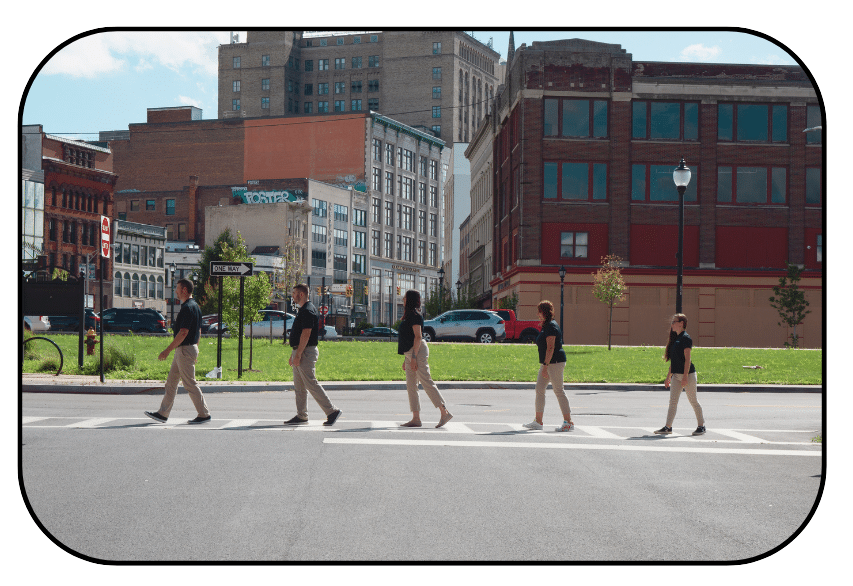
The purpose of LifePower Chiropractic is to establish offices in communities as a way to empower people to restore health, optimize function, and maintain well-being to live their best life.
Our Approach To Your Health Is Clear

Education is the key to health
How We Best Serve You

Pregnancy Care
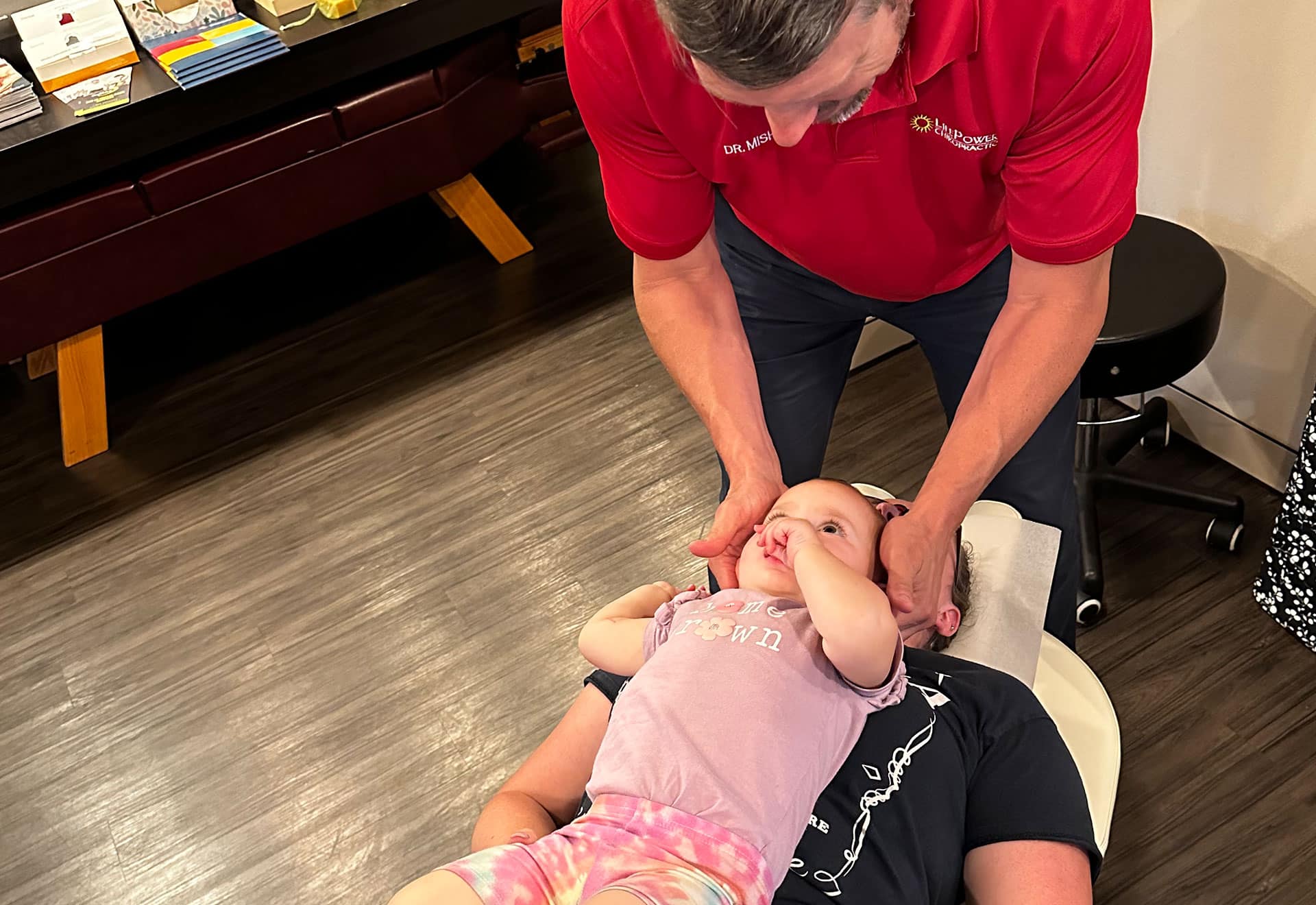
Pediatric Care

Athlete Care

Meet the Team
Solutions that work for your body
As a full service chiropractic team, we understand that although some patients may be diagnosed with the same condition, they respond very differently to treatments. For this reason, the doctors tailor a specific plan of action to meet your needs, goals & unique health condition.

Our focus is your health
LifePower Chiropractic understands changing health care needs and the most current techniques and approaches to addressing health problems can be a daunting task. We hope that you will find this site helpful in learning more about our gentle style of chiropractic care as well as the ways that we can help you improve the quality of your life.
So if you are looking for chiropractors who are dedicated to you and your family’s health then LifePower Chiropractic is where you want to be.
Frequently Asked Questions?
Is Chiropractic Safe?
Chiropractic is safe, gentle, and effective.
Our proficiency in pregnancy, pediatric, and athlete care helps all ages and body types get the quickest results possible.
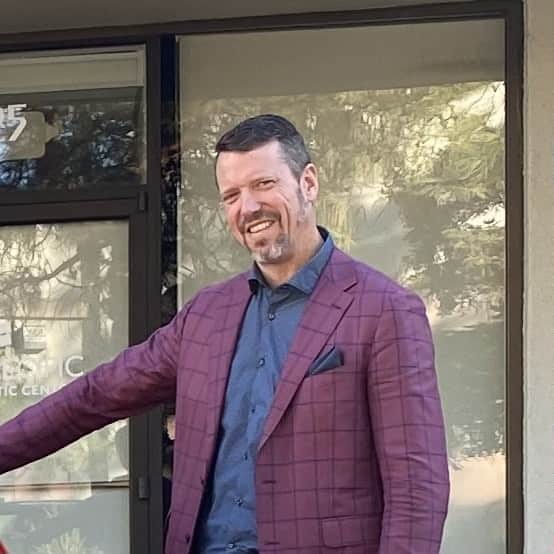
Dr. Mish is Webster Technique Certified through the ICPA for the care of pregnant women.
We utilize low force techniques for the care of newborns and infants. Babies smile here and so will you.
We perform dynamic myofascial release methods for functional restoration and to optimize athletic performance.
The list of techniques that Dr. Mish has studied and trained with while at New York Chiropractic College or through various post-grad curriculum include: Active Release, Applied Kinesiology, Chiropractic Bio Physics, Diversified, Logan Basic, Motion Palpation, Network Spinal Analysis, Pettibon, Sacro-Occipital, Thompson, Torque Release using the Intergrator with MC2, Upper Cervical Toggle, Webster.
Specific care is based upon the personalized needs of each patient.
If Dr. Mish can help you, he will tell you, and if not, he will tell you that too.
Referrals to other healthcare providers are always made promptly when indicated.
Do You Take My Insurance?
We do not accept assignment on insurance claims.
Patients pay our office directly and we in turn provide them with a detailed insurance receipt that is fully completed and ready for them to submit to their insurance company.
Any reimbursement is sent directly from the insurance company to the patient.
Monthly payment arrangements are offered to make getting care easy and affordable.
Contact our office for more information.